
WEB DEVELOPMENT

Having a fast, secure, and professionally designed website is essential for building trust and attracting new customers. A well-developed website doesn’t just look good—it works smoothly, delivers a great user experience, and helps convert visitors into loyal customers.
Our web development services are designed to create websites that are modern, responsive, and tailored to your business goals. Whether you’re a startup, a small business, or an established brand, we build websites that reflect your identity while providing an engaging experience for every visitor.
We believe that every business is unique, so we don’t rely on one-size-fits-all solutions. Instead, we take the time to understand your brand, target audience, and objectives before developing a website that meets your specific needs. From simple business websites to custom web applications and e-commerce platforms, we create solutions that support long-term growth.
A great website should perform flawlessly on every device. That’s why we focus on responsive web design, ensuring your website looks and functions perfectly on desktops, tablets, and smartphones. We also optimise every website for speed, helping pages load quickly and providing visitors with a seamless browsing experience.
Search engines also play a major role in online success. Every website we develop follows SEO-friendly web development practices, including clean coding, mobile optimisation, fast loading speeds, and structured layouts. These elements help improve your website’s visibility on search engines like Google, making it easier for potential customers to find your business.
Security and reliability are equally important. We build websites using modern technologies and industry best practices to keep your website secure, stable, and easy to maintain. Whether you need a business website, portfolio website, e-commerce website development, or a fully customised solution, we ensure your website is built for performance and scalability.
Beyond development, we also focus on user experience. A clear navigation structure, engaging layouts, and strategically placed calls to action encourage visitors to explore your website and take meaningful actions, whether that’s making a purchase, filling out a contact form, or requesting a consultation.
Our goal is to create websites that not only represent your brand but also deliver measurable business results. With the right combination of design, functionality, and search engine optimisation, your website becomes a powerful marketing tool that works for your business around the clock.
If you’re looking for reliable web development services, custom website development, or a professional web development company that values quality, performance, and user experience, we’re here to help. Let’s build a website that strengthens your online presence, improves your search engine rankings, and supports the future growth of your business.
SEO(SEARCH ENGINE OPTIMIZATION)
Having a website is only the first step toward building a successful online presence. If your potential customers can’t find your website on search engines like Google, you’re missing valuable opportunities to grow your business. That’s where Search Engine Optimization (SEO) comes in. SEO is the process of improving your website so it ranks higher in search engine results, attracts more organic traffic, and connects you with people who are actively searching for your products or services.
Our SEO services are designed to help businesses increase their online visibility and achieve long-term, sustainable growth. Instead of relying solely on paid advertising, SEO focuses on bringing in consistent, high-quality traffic through search engines. The result is greater brand awareness, increased credibility, and more opportunities to convert visitors into loyal customers.
Every business has different goals, which is why we create customised SEO strategies based on your industry, target audience, and competition. We begin by understanding your business and identifying the keywords your customers use when searching online. From there, we optimise your website to improve its relevance, usability, and search engine performance.
Our approach includes keyword research, on-page SEO, technical SEO, content optimisation, and off-page SEO to ensure every aspect of your website supports better rankings. We optimise page titles, meta descriptions, headings, images, internal links, and website structure while improving site speed and mobile responsiveness. These elements not only help search engines understand your website but also create a better experience for your visitors.
Creating valuable, informative content is another essential part of a successful SEO strategy. High-quality content answers your audience’s questions, builds trust, and encourages visitors to stay longer on your website. Combined with a strong technical foundation and ethical white-hat SEO practices, this helps improve your search engine rankings over time.
SEO is not about chasing quick results or using shortcuts. Search engine algorithms constantly evolve, and long-term success comes from following best practices and consistently improving your website. We stay updated with the latest Google algorithm changes and industry trends to ensure your website remains competitive in an ever-changing digital landscape.
Whether you run a small business, an e-commerce store, or a growing company, investing in professional SEO services can make a significant difference. Higher rankings mean greater visibility, increased website traffic, stronger brand authority, and more qualified leads. By focusing on both user experience and search engine requirements, we help your website become a valuable asset that supports your business growth.
If you’re looking for a trusted partner to improve your online presence, our Search Engine Optimization services are here to help. From developing an effective SEO strategy to monitoring performance and continuously refining your website, we work with you every step of the way. Let us help you achieve better Google rankings, attract the right audience, and build lasting success through ethical and results-driven SEO.
EMAIL MARKETING
Email remains one of the most effective digital marketing channels for businesses that want to connect with their audience, build trust, and increase sales. Unlike many other marketing methods, email marketing allows you to communicate directly with your customers through personalised and relevant messages. Whether you’re welcoming new subscribers, promoting products, or sharing valuable updates, a well-planned email campaign keeps your brand at the forefront of your audience’s mind.
Our Email Marketing Services are designed to help businesses create meaningful connections with their customers while driving measurable results. We focus on delivering the right message to the right audience at the right time, ensuring every email adds value and encourages engagement.
Every successful email campaign begins with understanding your audience. We develop customised email marketing strategies based on your business goals, customer behaviour, and target market. From growing your subscriber list to creating compelling email content, we help you build campaigns that generate clicks, conversions, and long-term customer loyalty.
We create professionally designed email templates that reflect your brand identity and provide a seamless experience across desktops, tablets, and mobile devices. Our emails are optimised for readability, ensuring your audience can easily engage with your content regardless of the device they use.
Effective email marketing goes beyond sending newsletters. We help businesses implement email automation that saves time while improving customer engagement. Automated welcome emails, abandoned cart reminders, follow-up sequences, promotional campaigns, and personalised recommendations allow you to nurture leads and maintain consistent communication without manual effort.
Content is at the heart of every successful campaign. We craft engaging subject lines, persuasive email copy, and clear calls to action that encourage recipients to open, read, and take action. Every campaign is carefully planned to provide value while supporting your business objectives, whether that’s generating leads, increasing website traffic, or boosting online sales.
We also believe in making data-driven decisions. By tracking important metrics such as open rates, click-through rates, conversion rates, and subscriber engagement, we continuously optimise your campaigns for better performance. Regular reporting helps identify what works best, allowing future campaigns to deliver even stronger results.
Our approach follows industry best practices to ensure your emails reach your audience effectively. We focus on ethical email marketing, proper audience segmentation, list management, and compliance with email marketing standards to improve deliverability and maintain customer trust.
Whether you’re a small business, an online store, or an established brand, investing in professional email marketing services can strengthen customer relationships and create new growth opportunities. A well-executed email strategy not only keeps your audience informed but also encourages repeat business and builds lasting brand loyalty.
If you’re looking for reliable Email Marketing Services that combine creativity, strategy, and performance, we’re here to help. From campaign planning and email design to automation and performance analysis, we create personalised email marketing solutions that help your business grow. Let us turn your email list into one of your most valuable marketing assets and build stronger connections with your customers through effective, results-driven communication.
SEM(SEARCH ENGINE MARKETING)
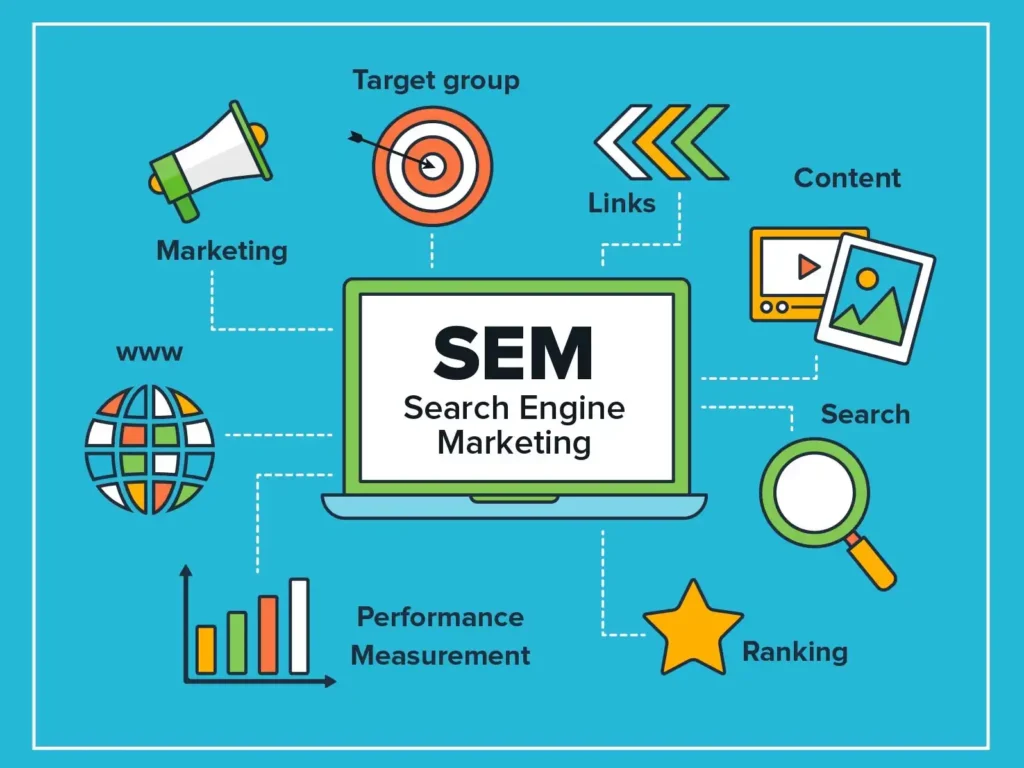
Getting your business noticed online takes more than simply having a website. With millions of websites competing for attention, reaching the right audience at the right time is essential. Search Engine Marketing (SEM) helps your business appear at the top of search engine results through targeted paid advertising, making it easier for potential customers to find your products or services when they’re actively searching.
Our Search Engine Marketing Services are designed to help businesses increase online visibility, generate qualified leads, and achieve measurable growth. Whether you’re launching a new business, promoting a product, or expanding into a competitive market, SEM provides a fast and effective way to connect with customers who are ready to take action.
Every successful SEM campaign starts with understanding your business goals. We take the time to learn about your industry, target audience, and competitors before creating a customised advertising strategy. By identifying the right search terms through detailed keyword research, we ensure your ads appear in front of people who are most likely to become customers.
Our team creates and manages high-performing Google Ads campaigns that focus on delivering the best possible return on investment. From writing compelling ad copy to selecting the right keywords and audience targeting, every aspect of your campaign is carefully planned to maximise results. We also optimise bidding strategies to help you get the most value from your advertising budget while reducing unnecessary spending.
A successful SEM campaign is about more than just clicks. We develop landing pages that provide a seamless user experience and encourage visitors to take action, whether that’s filling out a contact form, making a purchase, or requesting more information. By combining effective advertising with well-optimised landing pages, we help improve both conversion rates and customer satisfaction.
Performance tracking is an essential part of our approach. We continuously monitor important metrics such as click-through rate (CTR), conversion rate, cost per click (CPC), quality score, and return on ad spend (ROAS). Using this data, we refine your campaigns, test new strategies, and improve performance over time to ensure your advertising investment delivers consistent results.
Unlike traditional advertising, Search Engine Marketing provides detailed insights into campaign performance. You can clearly see how your ads are performing, where your traffic is coming from, and which keywords are generating the best results. This transparency allows us to make informed decisions that support long-term business growth.
Whether you’re a local business, an e-commerce store, or a growing company, professional SEM services can help you reach customers faster and stay ahead of the competition. When combined with Search Engine Optimization (SEO), SEM creates a balanced digital marketing strategy that delivers both immediate visibility and long-term organic growth.
If you’re looking for reliable Search Engine Marketing Services, we’re here to help. From campaign planning and keyword research to ad creation, optimisation, and ongoing performance analysis, we provide results-driven SEM solutions tailored to your business goals. Let us help you attract high-quality traffic, increase conversions, and grow your business with targeted search engine advertising.
CONTENT MARKETING
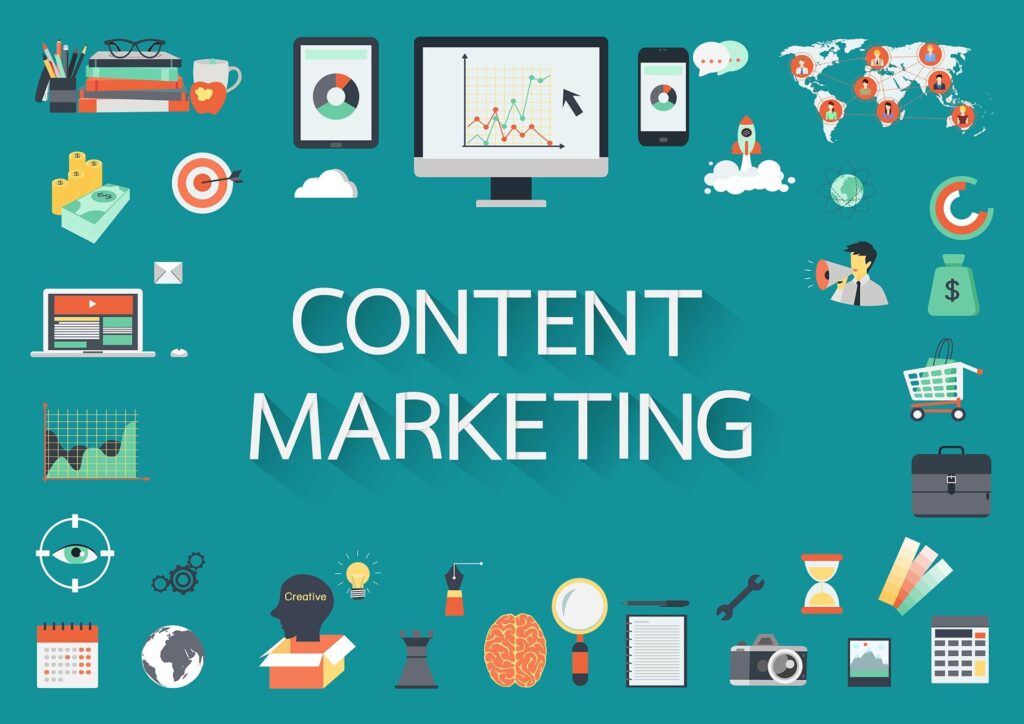
Great content is more than just words on a page—it’s how your business connects with people, builds trust, and grows online. Whether it’s a blog, website copy, social media post, or email campaign, high-quality content helps you attract the right audience and turn visitors into loyal customers. That’s why Content Marketing has become one of the most powerful strategies for long-term business success.
Our Content Marketing Services are designed to help businesses create valuable, relevant, and engaging content that speaks directly to their audience. Instead of focusing on hard selling, we create content that educates, informs, and solves problems. When your audience finds value in what you share, they’re more likely to trust your brand, engage with your business, and choose your services when they’re ready to make a decision.
Every successful content strategy begins with understanding your business and your customers. We take the time to learn about your industry, goals, and target audience before developing a customised content marketing strategy. This ensures every piece of content aligns with your brand voice and supports your overall marketing objectives.
Our services include SEO content writing, blog creation, website content, landing pages, email content, social media content, and product descriptions. Every piece is written with both your audience and search engines in mind. By naturally incorporating relevant keywords and following SEO best practices, we help improve your website’s visibility while keeping the content easy to read and engaging.
Quality always comes before quantity. We believe content should provide real value rather than simply filling pages with keywords. That’s why our writers focus on creating informative, original, and well-structured content that answers your audience’s questions and builds credibility. Search engines like Google reward websites that consistently publish helpful, trustworthy content, making high-quality content an important part of any successful SEO strategy.
Content marketing also plays a key role in strengthening your brand identity. Consistent messaging across your website, blog, and social media platforms helps create a memorable brand experience while building lasting relationships with your audience. Whether you’re sharing industry insights, success stories, or educational resources, every piece of content helps position your business as a trusted authority in your field.
We also monitor content performance to understand what resonates most with your audience. By analysing website traffic, engagement, keyword rankings, and conversions, we continuously refine your content strategy for even better results. This data-driven approach ensures your content continues to support your business goals and deliver measurable growth over time.
Whether you’re a startup looking to build brand awareness or an established business aiming to increase organic traffic, professional Content Marketing Services can help you achieve sustainable results. High-quality content not only improves search engine rankings but also increases customer engagement, generates qualified leads, and encourages long-term customer loyalty.
If you’re looking for a trusted partner to create meaningful, SEO-friendly content, we’re here to help. Our Content Marketing Services combine creativity, strategy, and search engine optimisation to deliver content that attracts visitors, builds trust, and drives business growth. Let us help you tell your story, strengthen your online presence, and turn valuable content into lasting results.
SMM(SOCIAL MEDIA MARKETING)
Social media has become one of the most powerful ways for businesses to connect with their audience, build trust, and drive meaningful results. Platforms like Facebook, Instagram, LinkedIn, X (Twitter), and TikTok allow brands to engage with customers, share their story, and reach new audiences every day. With the right strategy, Social Media Marketing (SMM) can help your business increase brand awareness, generate leads, and boost sales.
Our Social Media Marketing Services are designed to help businesses create a strong and consistent online presence. We don’t just publish content—we create strategies that encourage engagement, build relationships, and support your long-term business goals. Whether you’re a startup, a growing business, or an established brand, we develop customised social media solutions that match your vision and audience.
Every successful social media campaign starts with understanding your business. We take the time to learn about your industry, target audience, and objectives before creating a personalised social media marketing strategy. This ensures that every post, campaign, and advertisement reflects your brand identity while delivering value to your followers.
Our services include social media management, content creation, graphic design, short-form video content, social media advertising, community management, and performance reporting. We create engaging posts that capture attention, encourage conversations, and inspire your audience to interact with your brand. From educational content and promotional campaigns to behind-the-scenes stories and customer success stories, we help you maintain a consistent and professional online presence.
Paid advertising is another important part of an effective social media strategy. We create and optimise Meta Ads, Instagram Ads, Facebook Ads, and LinkedIn advertising campaigns that target the right audience based on demographics, interests, and behaviours. This helps increase website traffic, generate qualified leads, and maximise your return on investment.
Success on social media isn’t measured by likes alone. We continuously track key performance metrics such as reach, engagement, impressions, click-through rates, follower growth, and conversions. These insights help us understand what works best for your audience and allow us to improve your campaigns over time. By making data-driven decisions, we ensure your social media marketing delivers measurable business results.
Consistency is essential for building a successful brand online. We develop content calendars and posting schedules that keep your audience engaged while maintaining a unified brand voice across every platform. Combined with creative storytelling and audience-focused content, this helps strengthen customer relationships and improve brand recognition.
Whether your goal is to increase brand awareness, drive website traffic, generate leads, or grow your online community, our professional Social Media Marketing Services can help you achieve it. We focus on creating authentic connections with your audience while supporting your overall digital marketing strategy.
If you’re looking for a trusted partner to manage your social media presence, we’re here to help. Our Social Media Marketing (SMM) Services combine creativity, strategy, and analytics to deliver campaigns that engage your audience and drive business growth. Let us help you build a stronger online presence, connect with more customers, and turn social media into a valuable tool for long-term success.